
Ranking the most feared dictators in history requires choosing a criterion. The number of civilian victims attributed to a regime, as documented by political scientist Rudolph Rummel in Death by Government, provides a more solid framework than mere perceptions of cruelty. This ranking includes ten figures whose absolute power has led to massive repressions, orchestrated famines, or genocides.
1. Mao Zedong – Chairman of the People’s Republic of China
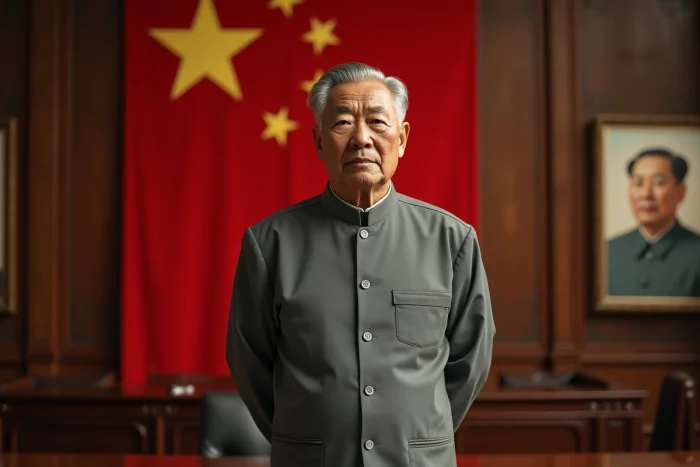
Mao Zedong remains the leader associated with the highest number of civilian deaths in the 20th century. The Great Leap Forward and the Cultural Revolution caused large-scale famines and political purges over several decades.
Rummel’s work places the Maoist regime at the top of the ranking of the deadliest documented democides. Mao’s China illustrates a recurring mechanism: forced collectivization turned into a humanitarian disaster, amplified by the complete absence of counter-power.
Several resources help position this figure among the top 10 dictators in history by cross-referencing academic data and witness accounts.
2. Joseph Stalin – former leader of the USSR

Joseph Stalin led the USSR for nearly three decades. His regime combined forced agricultural collectivization, mass deportations, and Gulag labor camps.
The Stalinist USSR ranks among the deadliest regimes according to Rummel’s databases. The Great Purges of the 1930s, the famine in Ukraine, and the displacement of entire populations form a toll that historical research continues to document.
3. Adolf Hitler – former Chancellor of the German Reich

Adolf Hitler established a totalitarian regime based on a racial ideology that led to the systematic genocide of several million people. Nazi Germany is listed in Rummel’s work as one of the four deadliest regimes of the 20th century.
The aggressive war launched by the Reich caused a global conflict, adding to the regime’s direct victims an unprecedented military and civilian toll in Europe. The Holocaust remains the best-documented genocide in contemporary history.
4. Pol Pot – former leader of Cambodia
The Khmer Rouge regime, led by Pol Pot, exterminated a significant proportion of the Cambodian population in just a few years. Re-education camps, summary executions, and organized famine struck a modest-sized country.
Relative to the total population, Pol Pot’s Cambodia has the highest state mortality rate among the regimes studied by democide research. This data distinguishes this regime from those that caused more victims in absolute numbers.
5. Saddam Hussein – former President of Iraq

Saddam Hussein ruled Iraq for over two decades, using war and repression to maintain his power. The Anfal campaign against the Kurds and the use of chemical weapons against civilian populations remain the most documented episodes of his regime.
Two major wars (against Iran and then the invasion of Kuwait) added hundreds of thousands of military victims to the regime’s internal toll. The detention camps and repression of opponents operated uninterrupted until the regime’s fall in 2003.
6. Kim Jong-il – former leader of North Korea

Kim Jong-il inherited the North Korean regime founded by his father and maintained it through an omnipresent security apparatus. His son Kim Jong-un continues this lineage, but it was under Kim Jong-il that political prisoner camps reached their known maximum extent.
The famine of the 1990s struck the North Korean population while the regime diverted resources to its military program. North Korea remains the most closed regime in the world, making any accurate estimate of the human toll difficult.
7. Muammar Gaddafi – former leader of Libya

Muammar Gaddafi exercised absolute power over Libya for more than four decades. His regime relied on an internal surveillance apparatus, the suppression of any opposition, and the funding of armed movements abroad.
The repression of Libyan opponents included public executions and enforced disappearances. The 2011 uprising revealed the extent of mass graves and secret prisons. Gaddafi was killed during the civil war that ended his regime.
8. Bashar al-Assad – former President of Syria
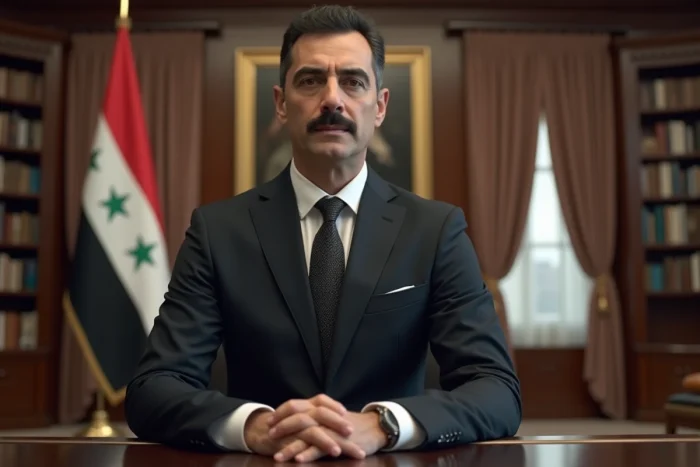
Bashar al-Assad inherited power from his father Hafez al-Assad and has ruled Syria with the same repressive methods. The 2011 uprising, which turned into a civil war, led to systematic bombardments of civilian areas and documented use of chemical weapons.
The 2024 report from the V-Dem Institute ranks Syria among closed autocracies. Millions of Syrians have been displaced, creating one of the most severe refugee crises since World War II.
9. Idi Amin Dada – former President of Uganda
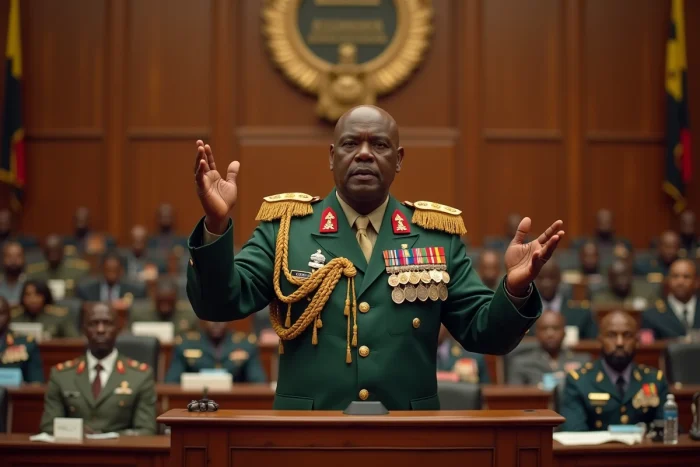
Idi Amin Dada seized power in Uganda through a coup and ruled the country for nearly a decade. His regime was marked by extrajudicial executions, the expulsion of entire communities, and personal brutality documented by numerous testimonies.
Amin Dada’s uniqueness lies in the small scale of his country: ethnic and political purges affected a significant portion of the Ugandan population. His regime ended after a Tanzanian military intervention.
10. Isaias Afewerki – President of Eritrea
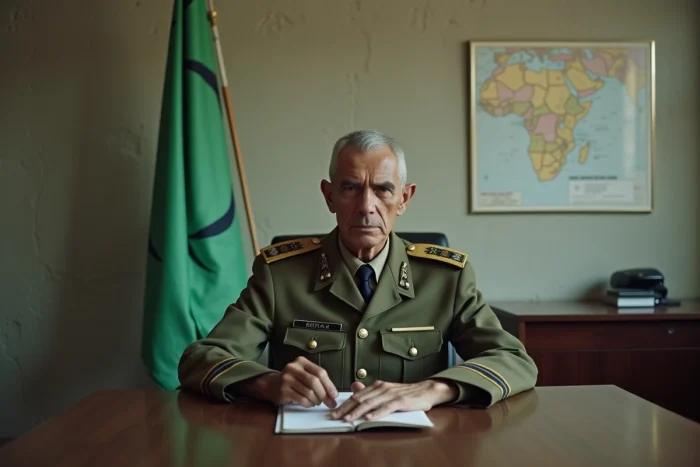
Isaias Afewerki has ruled Eritrea uninterrupted since the country’s independence. No elections, no constitution enforced, no independent media: the Eritrean regime operates as a permanent militarized state.
Mandatory military service, with an indefinite duration, affects a large part of the population. UN reports have described conditions akin to slavery. Eritrea is often referred to as the “North Korea of Africa”, a comparison that reflects the degree of isolation and control exerted over the population.
This ranking is based on academic work and specialized databases in democide, not on media perception. Contemporary regimes like those classified as “electoral autocracies” by V-Dem remind us that the concentration of power is not limited to the most well-known historical figures.